Three Soloists. One Artistic Vision.
Great Music. Rediscovered. Unexpected.
The Trio Valéry
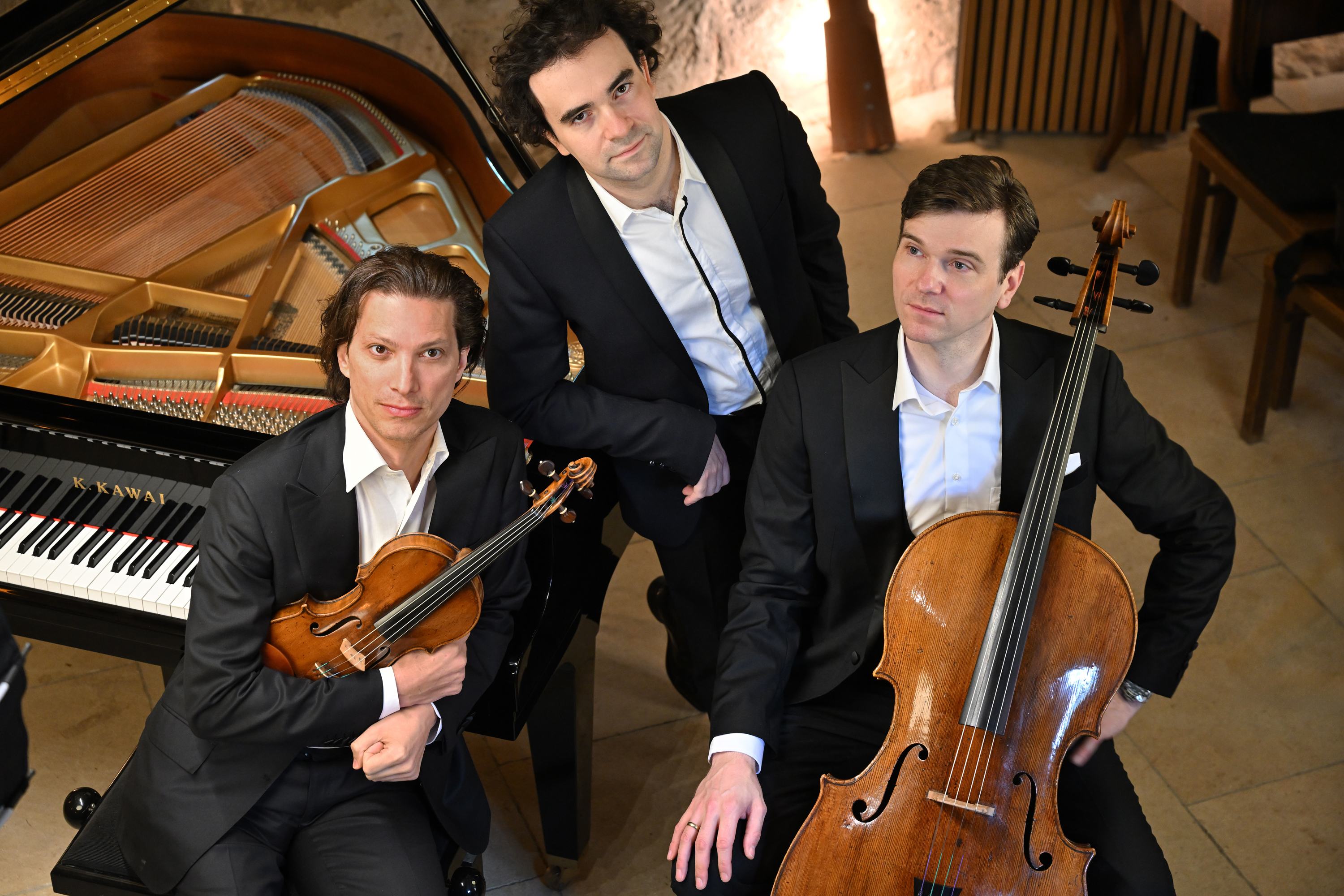
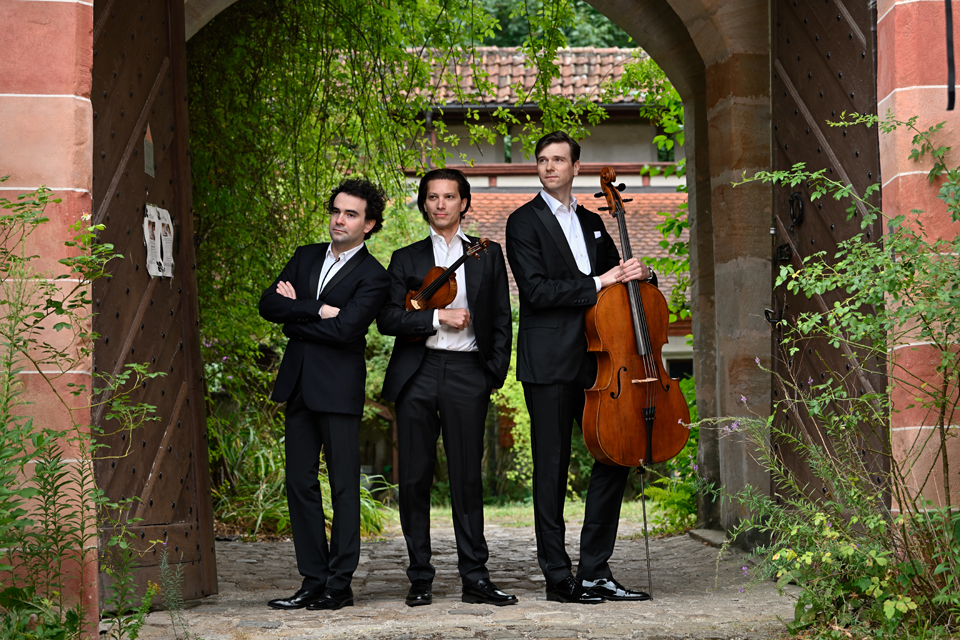
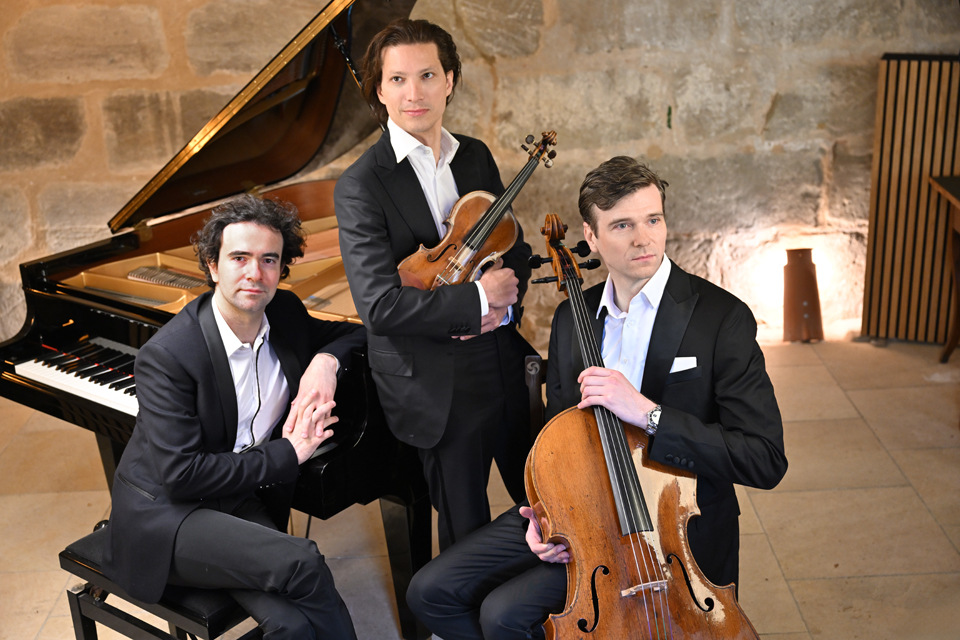
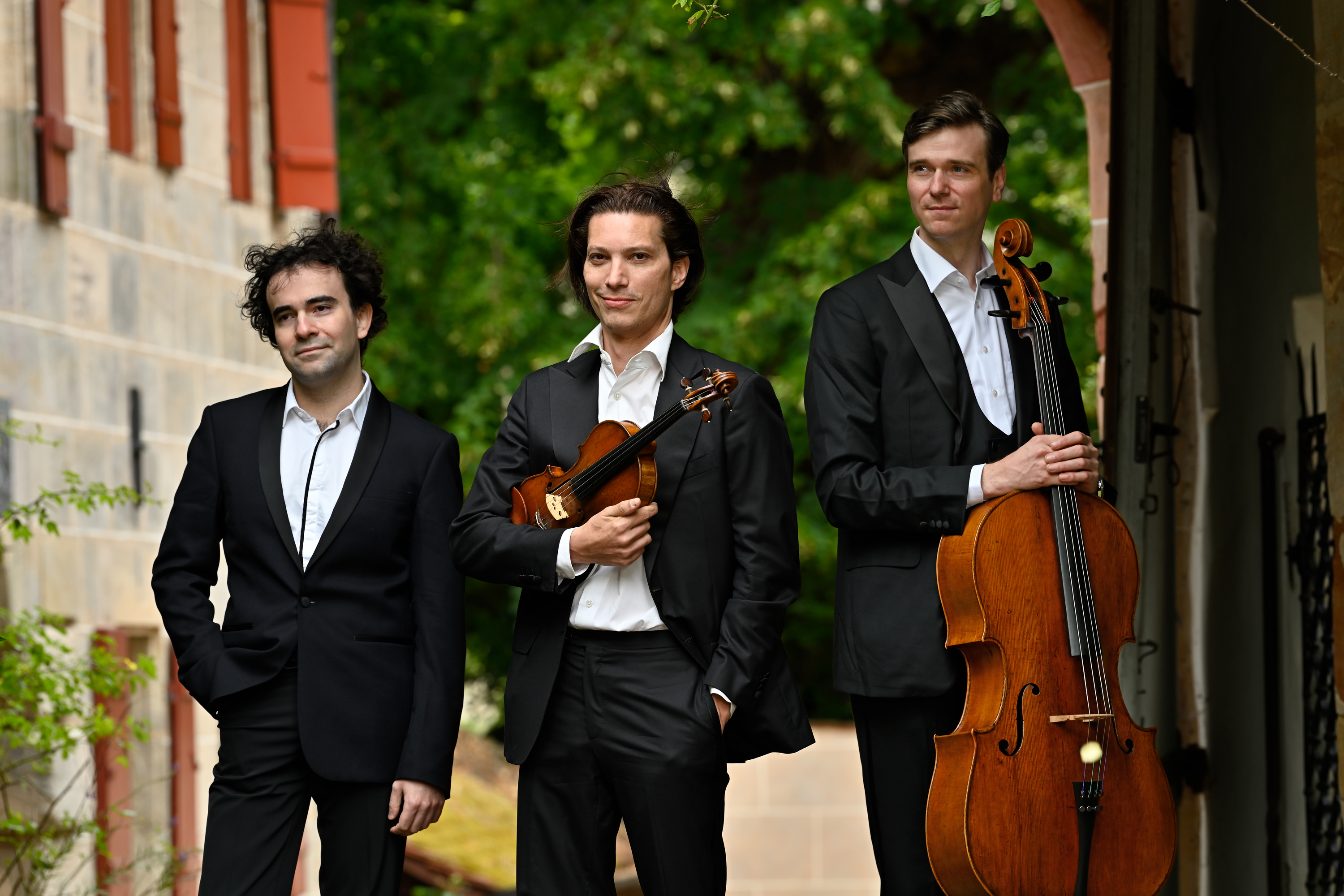
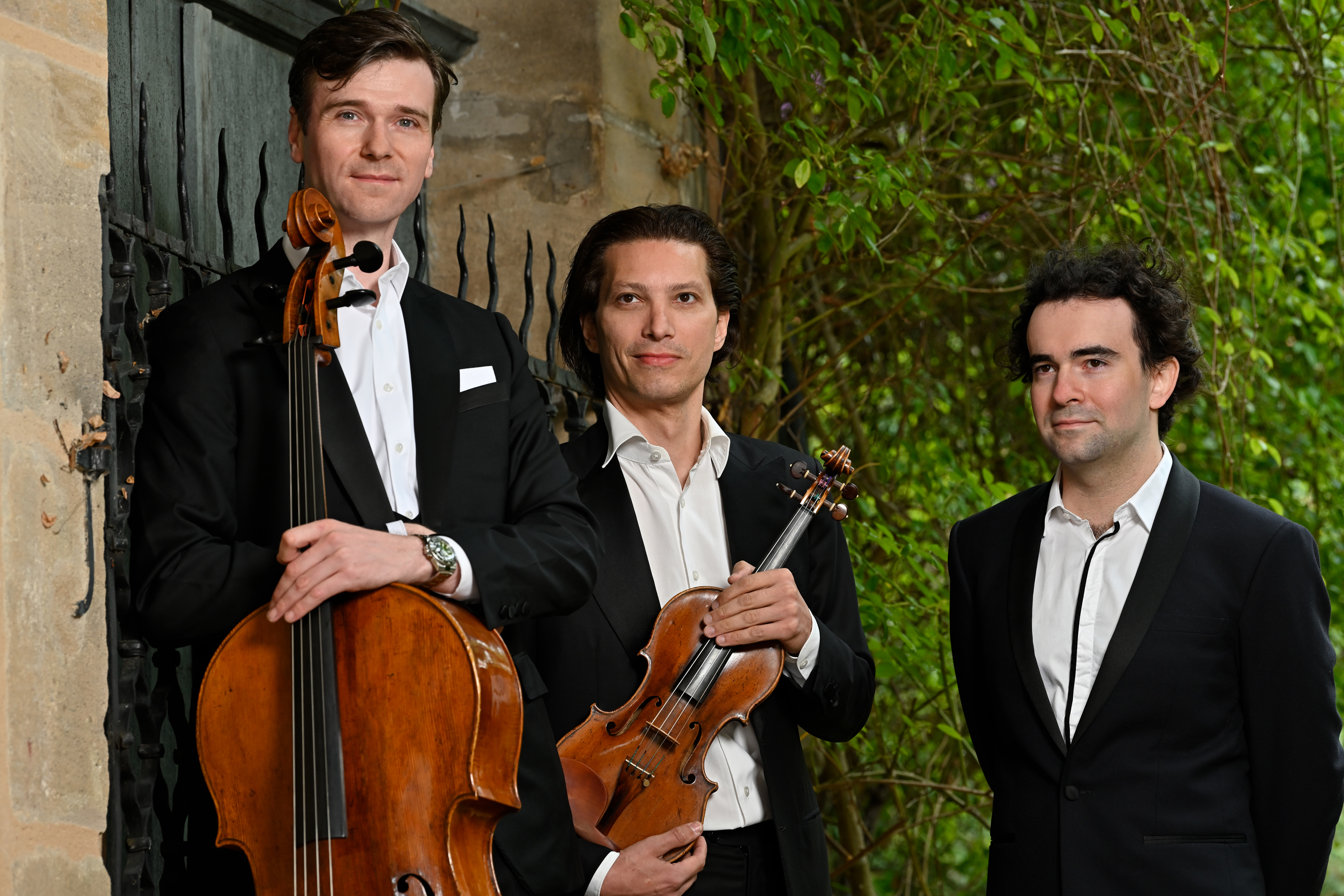
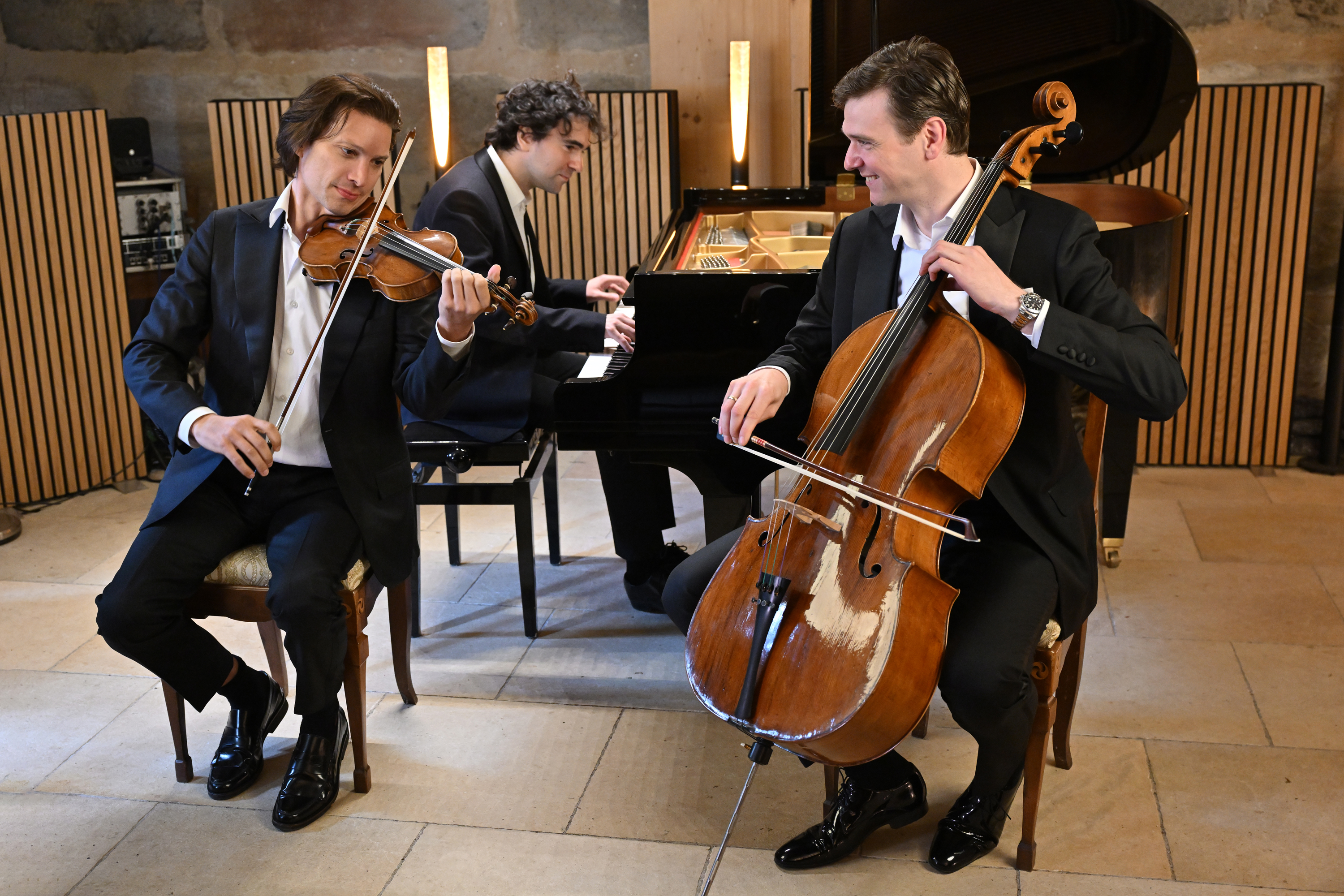
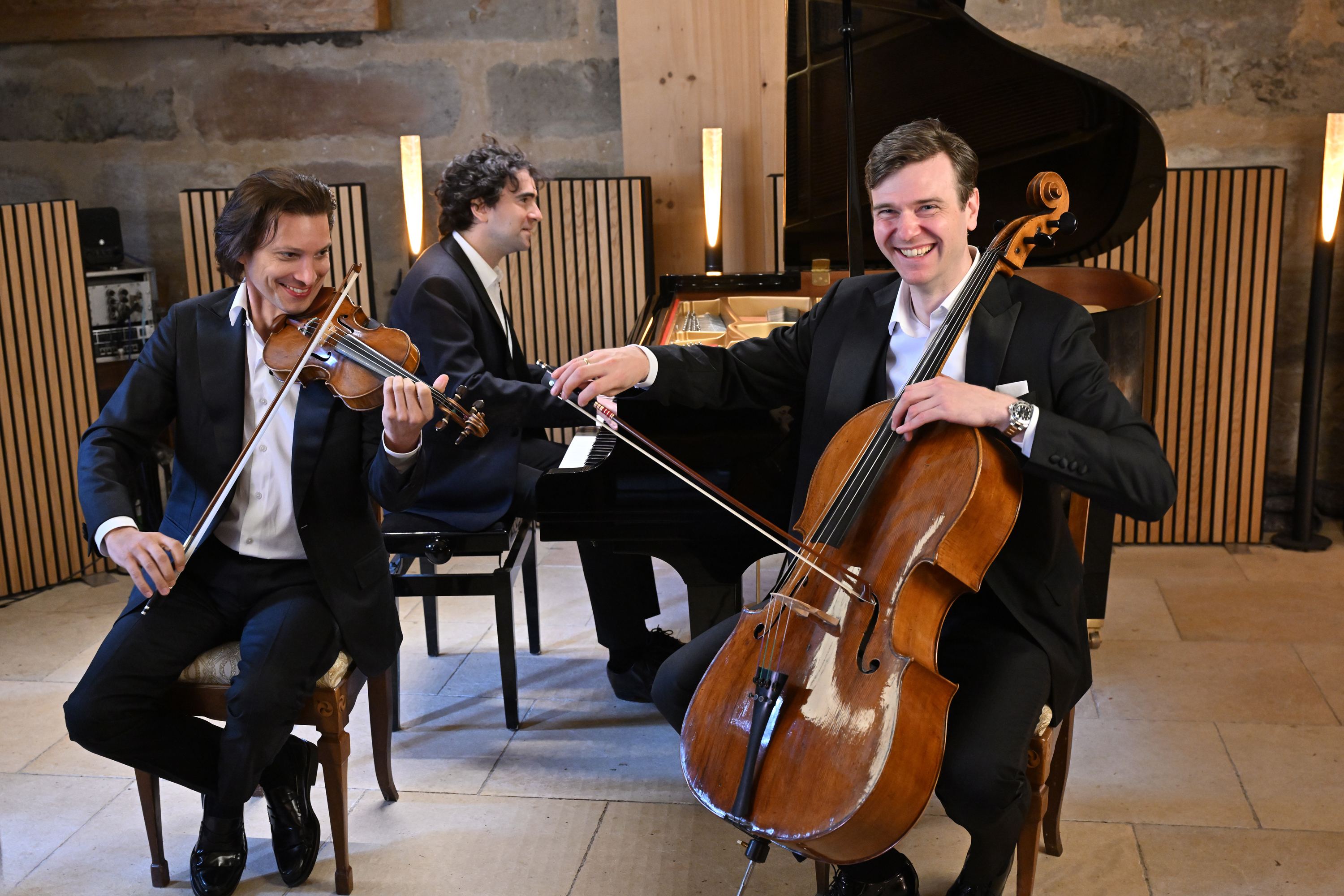
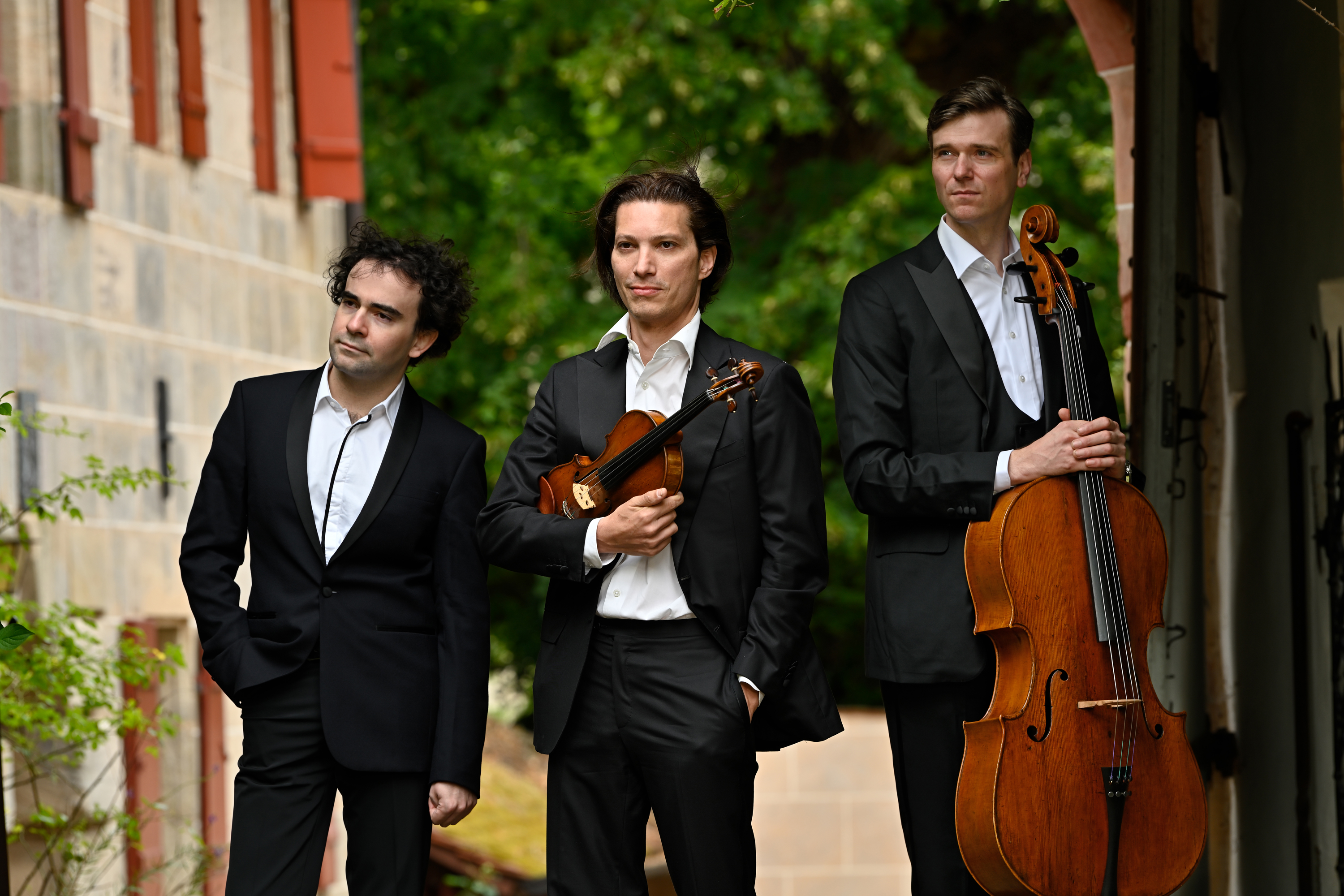
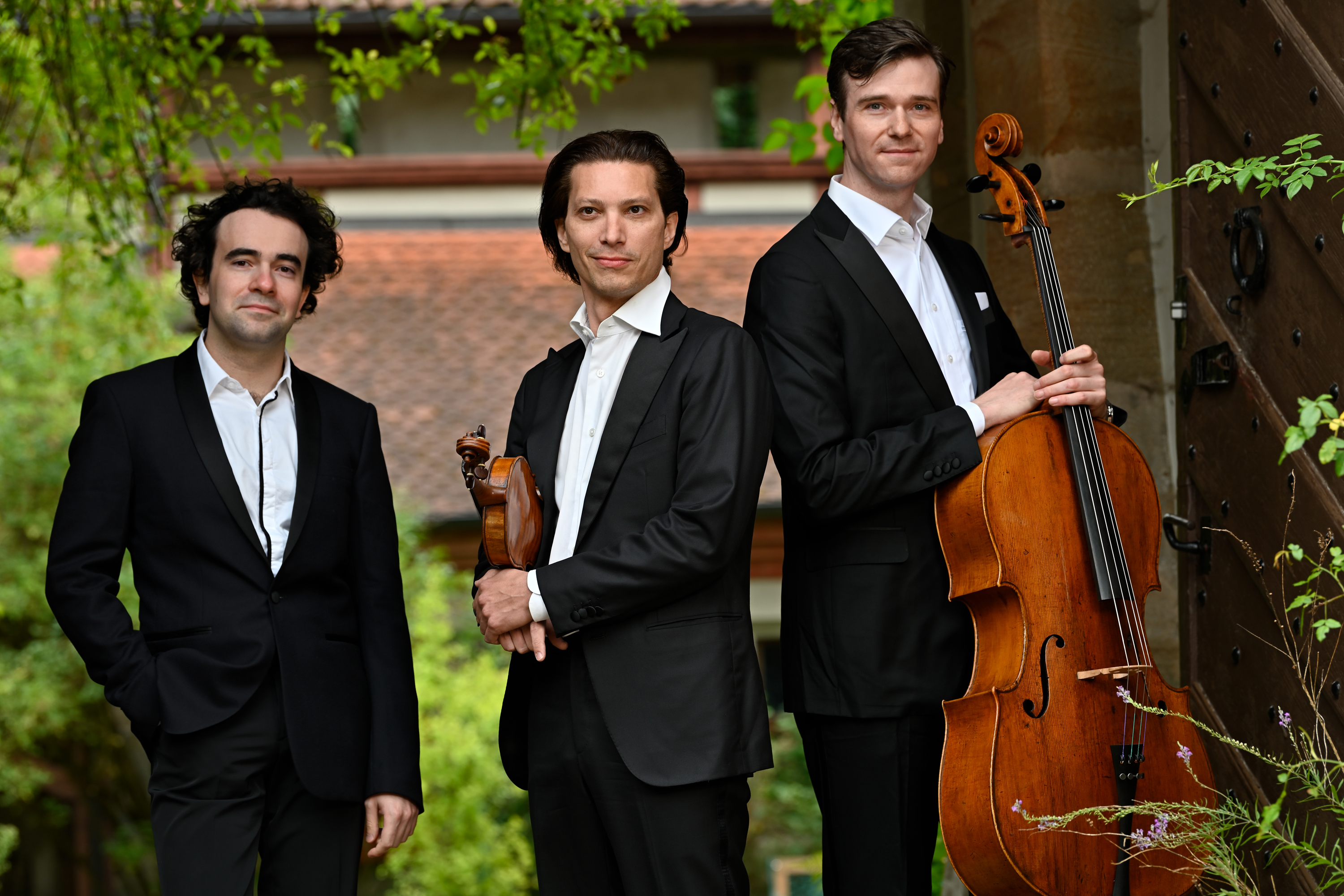
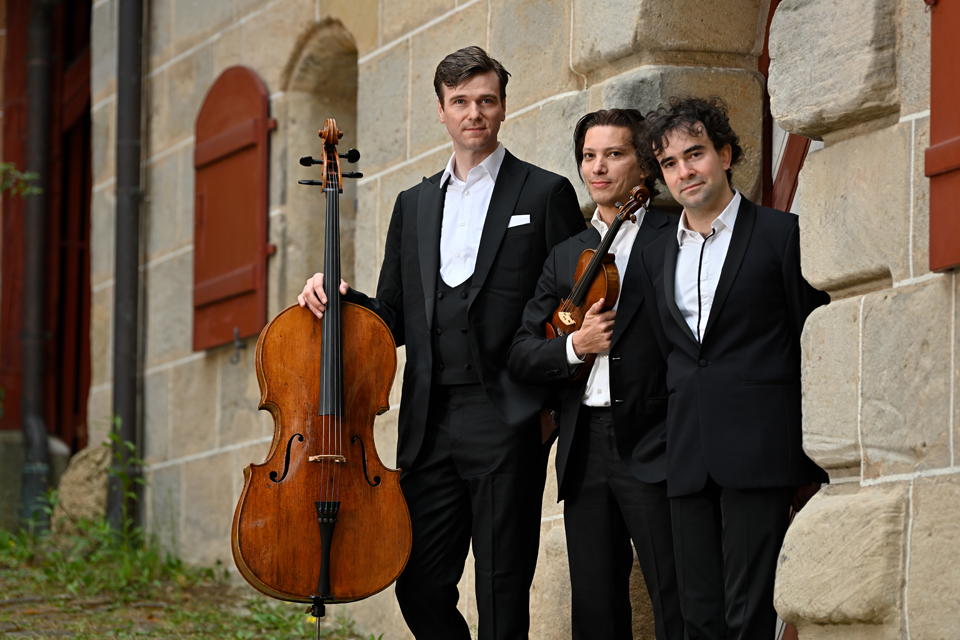
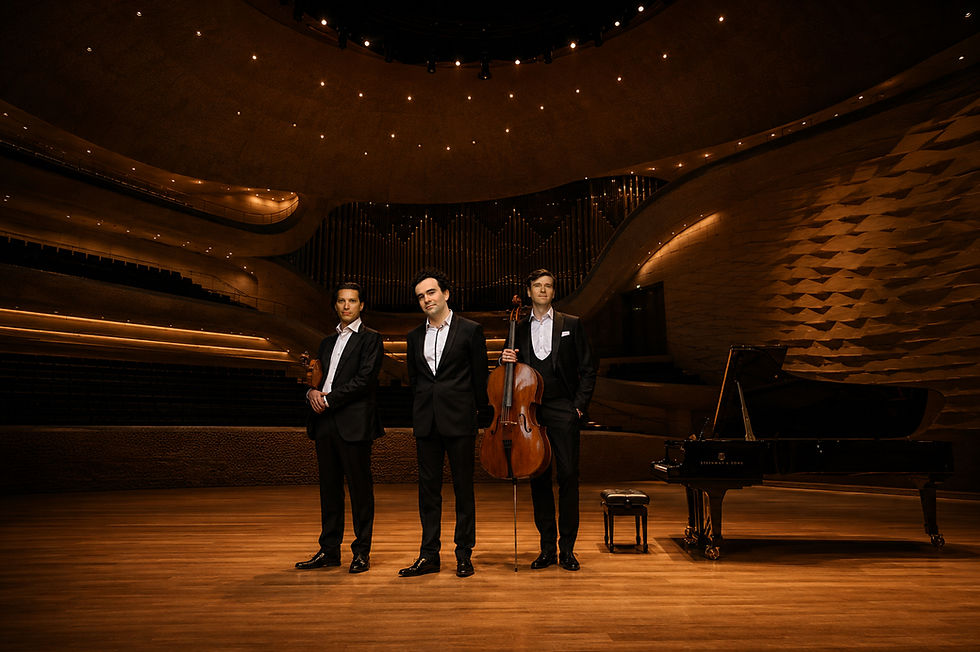
Trio Valéry brings together the French pianist Ingmar Lazar with the two German musicians Christoph Seybold, violin, and Johannes Raab, violoncello. Three artists whose international concert careers have taken them to many of the world’s leading concert stages. The international press has described their artistic personalities with expressions such as “magnetic presence,” “world-class,” and a sound quality “every musician should strive for.” Within Trio Valéry, these remarkable individual qualities merge into a single artistic voice.
What distinguishes this ensemble is far more than the sum of three outstanding soloists. Trio Valéry combines the highest level of musical excellence with an uncompromising artistic conviction: every work deserves to be rediscovered. Not because originality is an end in itself. Not because the ensemble seeks to be different at any cost. But because great music is inexhaustible.
With the same curiosity that leads a scholar to re-examine an original source or a conservator to uncover a masterpiece layer by layer, the ensemble approaches every score anew. Familiar listening habits are questioned, long-held assumptions reconsidered, and every effort is directed towards revealing what lies hidden within the work itself. The result is an approach that allows even the most familiar masterpieces to appear in a fresh light—not through effect or eccentricity, but through an exceptional closeness to their musical essence.
This artistic philosophy is united with a sound culture of extraordinary intensity. Performing on historic master instruments by Stradivari and Goffriller, Trio Valéry creates an astonishing spectrum of colour, ranging from the utmost chamber-music transparency to almost orchestral power. Every performance is shaped by supreme precision, spontaneous inspiration, and the courage to allow music to come into being anew in the very moment of performance.
To experience Trio Valéry in concert is not simply to hear great masterpieces of the repertoire. It is to encounter them with new ears. The ensemble’s ambition is not to repeat what is already familiar, but to make the familiar surprising once again—vivid, immediate, and as though the music were being created for the very first time.

Listen
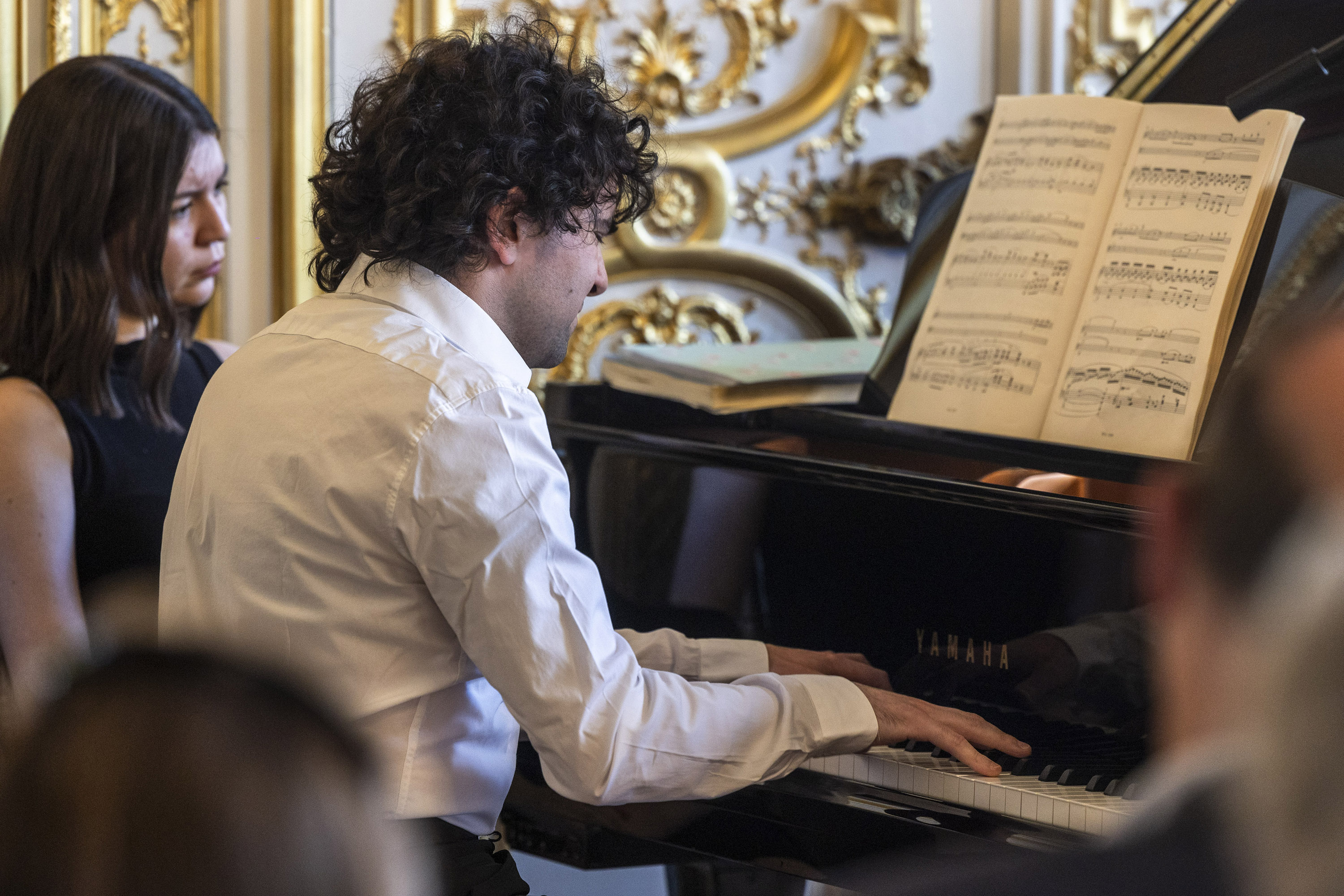
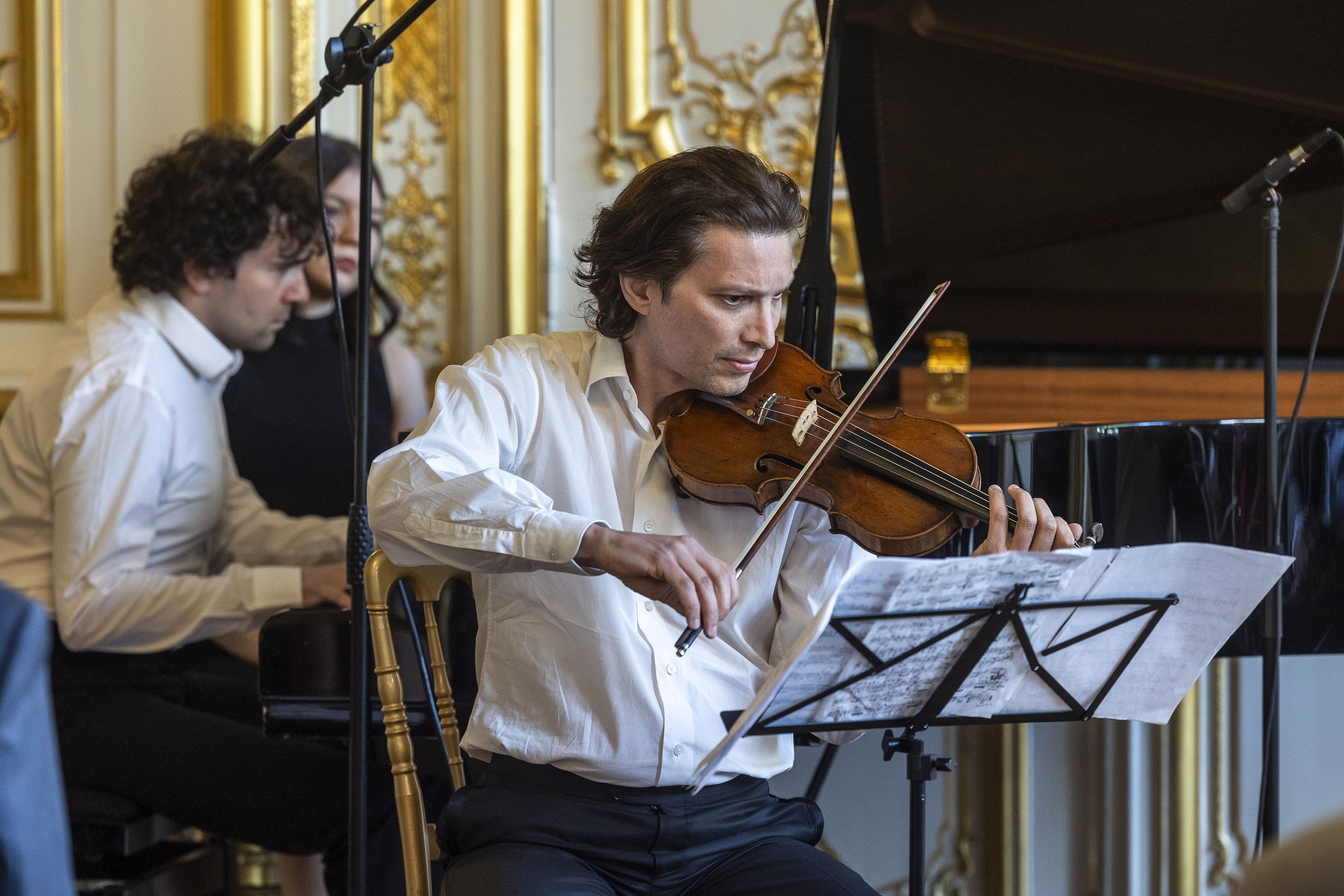
Sergei Rachmaninoff – Trio élégiaque No. 1 in G minor
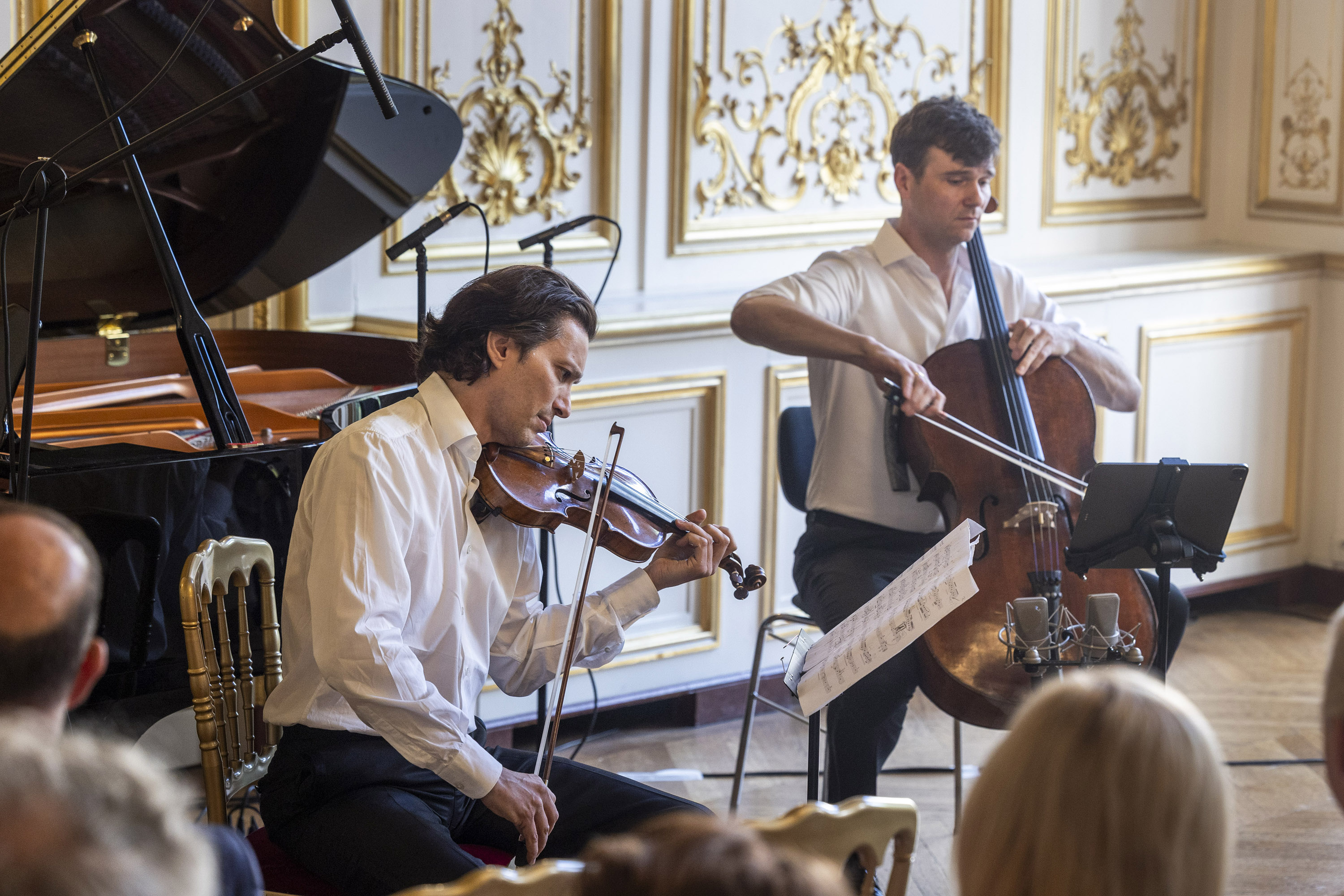
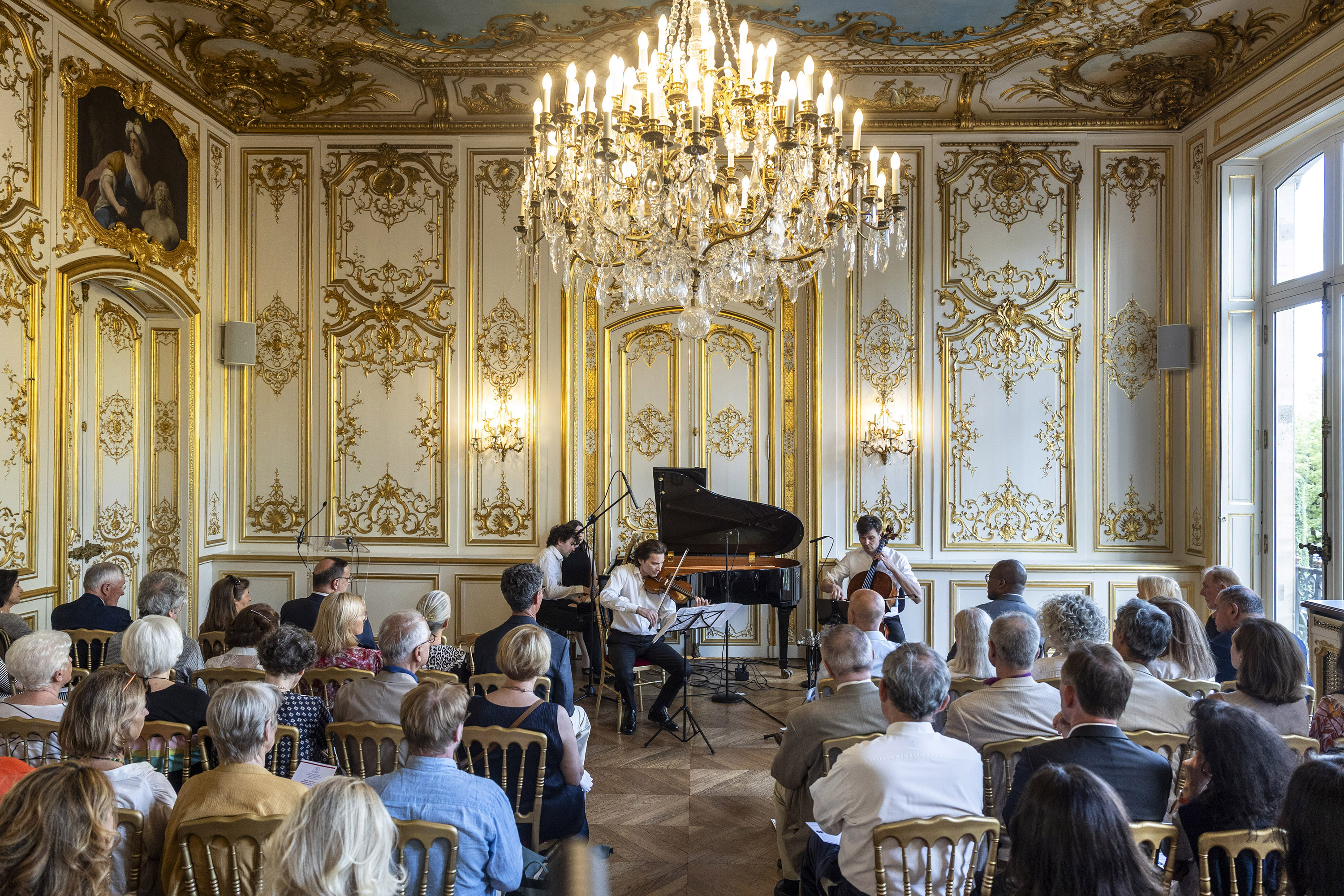
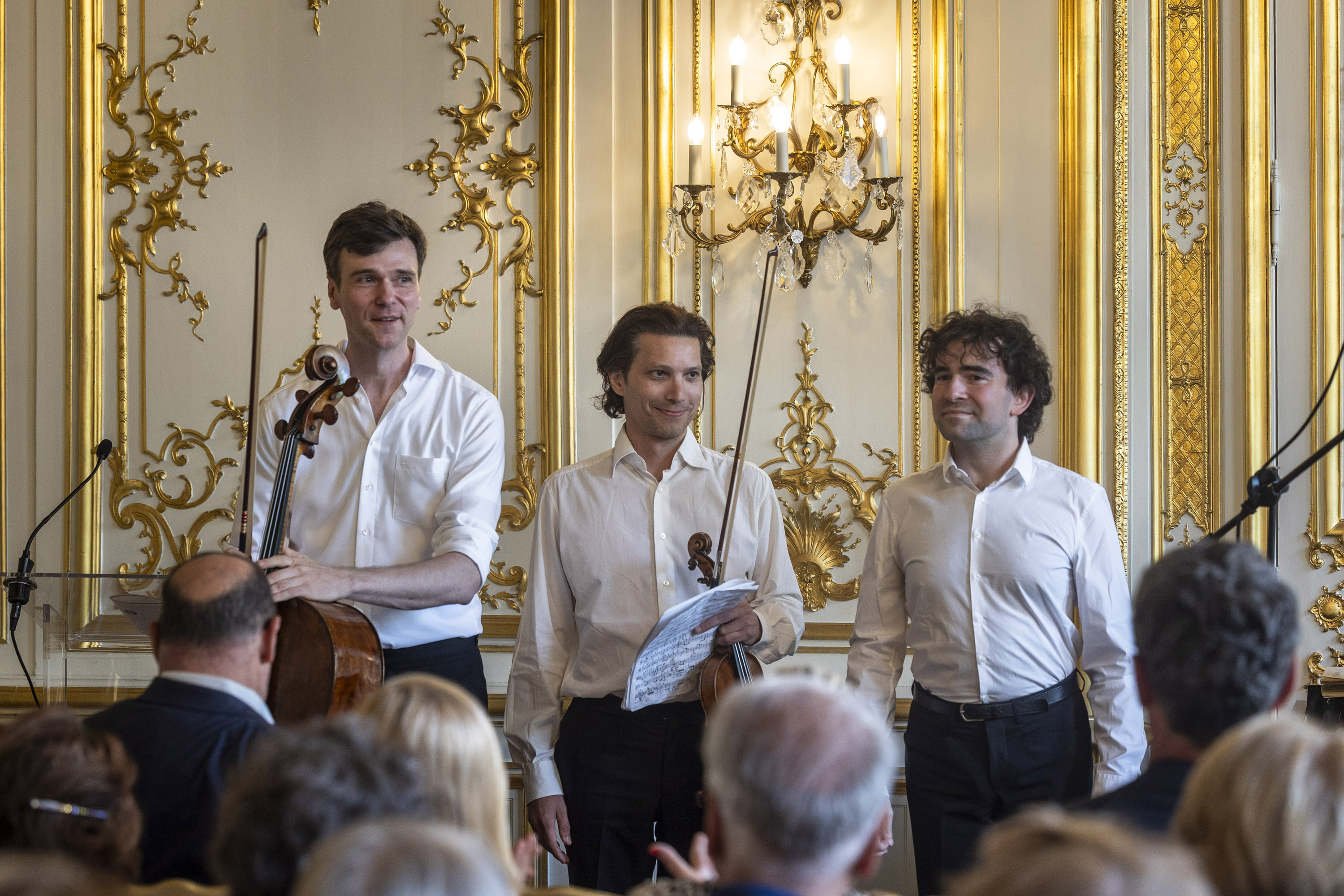
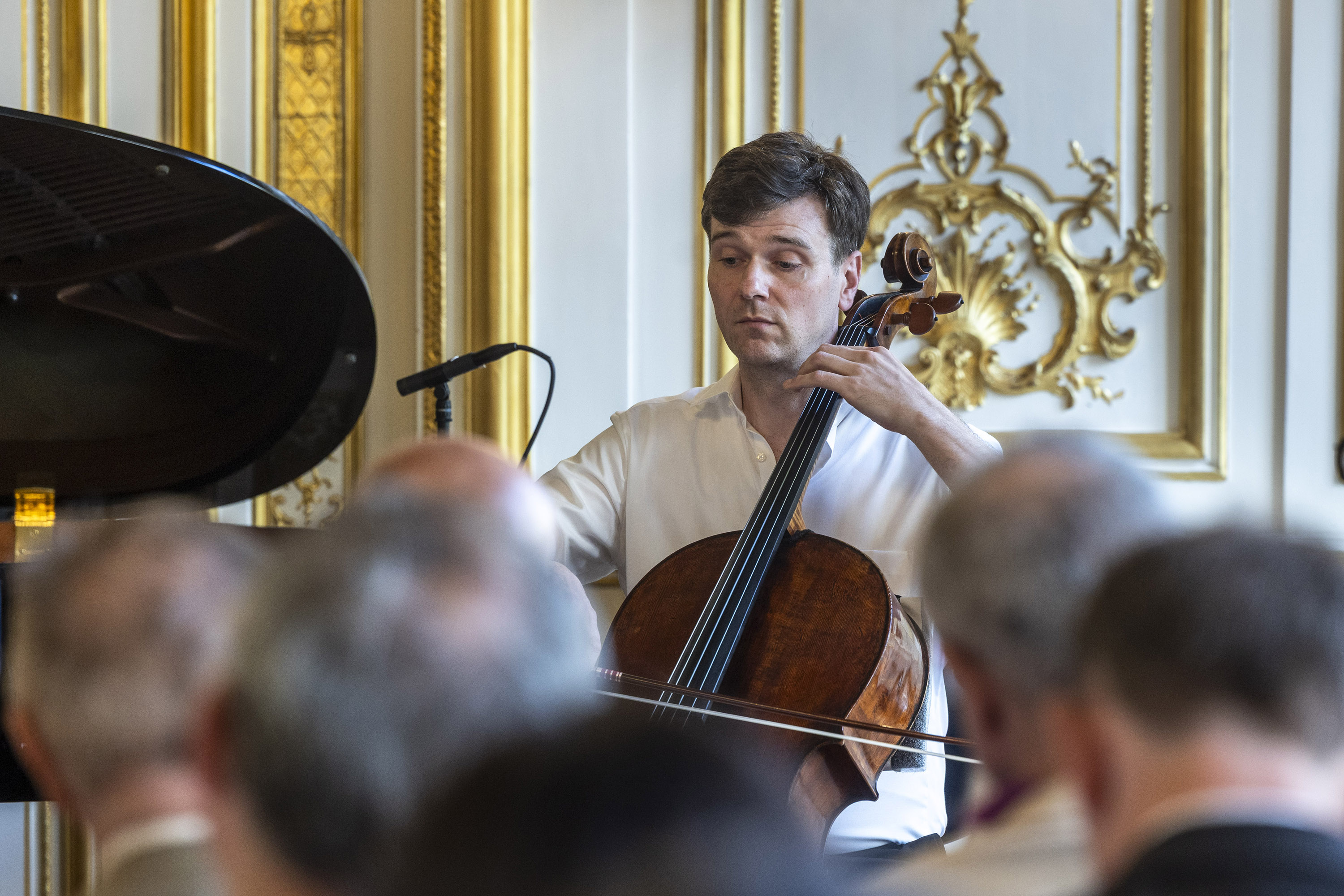
Recorded live at Hôtel Le Marois, home of the Cercle France-Amériques, Paris, France, on 29 June 2026
Franz Schubert – Notturno in E-flat major, Op. posth. 148, D. 897
Recorded live at Hôtel Le Marois, home of the Cercle France-Amériques, Paris, France, on 29 June 2026.
The Artists

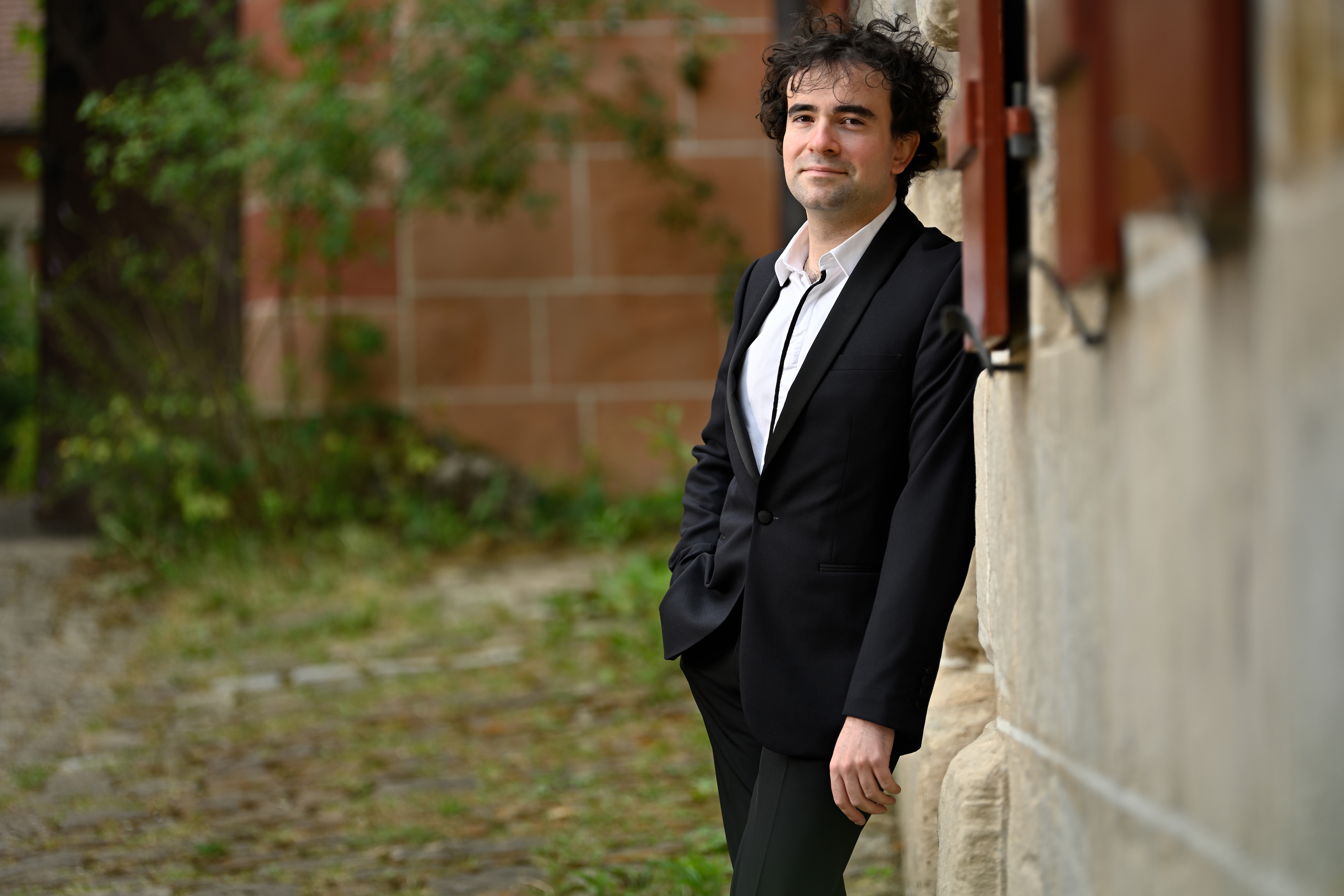
Ingmar Lazar
is among the leading French pianists of his generation. He gave his concert debut at Paris’s Salle Gaveau at the age of six. Since then, his international career as a soloist and chamber musician has taken him to many of the world’s most prestigious concert halls, including the Concertgebouw Amsterdam, the Mozarteum Salzburg, Prague’s Rudolfinum, Munich’s Herkulessaal, La Seine Musicale in Paris and the Great Hall of the Tchaikovsky Conservatory in Moscow. He has appeared with renowned orchestras and collaborated with numerous internationally acclaimed conductors and chamber musicians. In addition, he is the founder and Artistic Director of Festival du Bruit qui Pense as well as of the concert season of the Château de Commarin, both firmly established within French musical life.
His recordings have received the highest praise from the international music press. Classica described him as a pianist of “magnetic presence”, whose playing “penetrates to the very essence of every work.” Several of his recordings have received the magazine’s highest distinction and have been selected as “Le Choix de France Musique.” His discography on Lyrinx and Hänssler Classic, featuring works by Schubert, Beethoven, and Franck among others, reflects the remarkable stylistic breadth of his repertoire. His playing combines supreme technical mastery with poetic imagination, architectural clarity and extraordinary tonal refinement.
As a long-standing Steinway Artist, Ingmar Lazar belongs to the select circle of pianists closely associated with the world’s most prestigious piano manufacturer. Within Trio Valéry, his playing provides the ensemble’s architectural and tonal foundation. With his exceptional sense of proportion, transparency and tonal colour, he creates the artistic space in which the strings can unfold with the greatest possible freedom, giving rise to the breathing, living sound that defines the ensemble.

Christoph Seybold
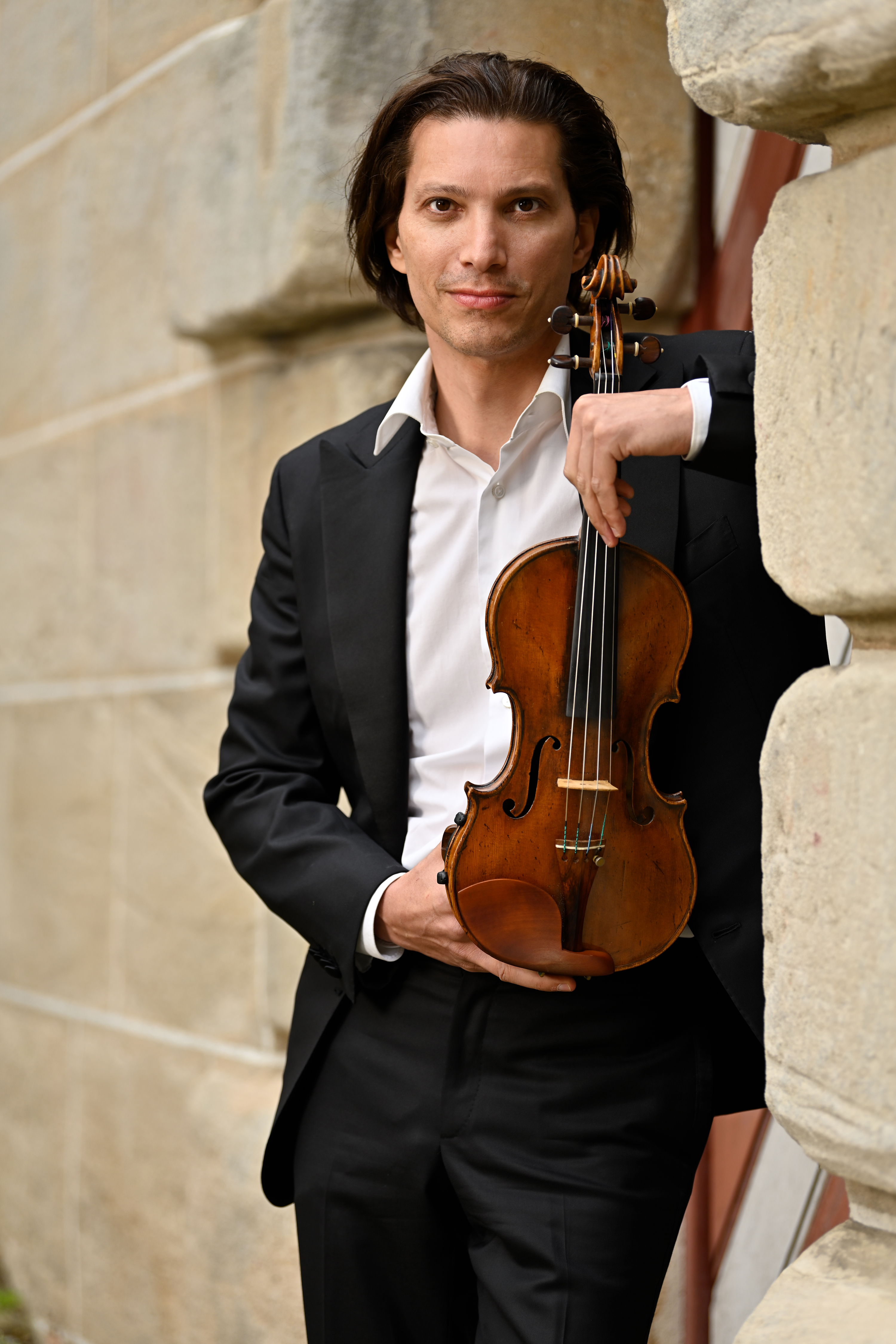
is among the most distinguished German violinists of his generation. His international career as a soloist and chamber musician has taken him to leading concert halls throughout Europe, North and South America, Israel and Japan.
He has appeared at venues including the Konzerthaus Berlin, Hamburg’s Laeiszhalle and Munich’s Herkulessaal, and has performed with orchestras such as the Klassische Philharmonie Bonn, the Philharmonie der Nationen, the Württemberg Chamber Orchestra Heilbronn and the Polish Chamber Orchestra.
The international press has praised his playing for its power, richness of colour and exceptional stage presence. The Süddeutsche Zeitung described him as a “world-class violinist”, while other critics have highlighted his unmistakable tone and spontaneous musicianship.
His recordings appear regularly on leading classical labels. His most recent release, Johann Sebastian Bach’s Sonatas for Violin and Harpsichord with Yorck Kronenberg on Hänssler Classic, once again demonstrates his profound engagement with Bach’s music, combining stylistic clarity with remarkable interpretative freedom.
At the heart of his artistic work lies the constant pursuit of an interpretation that unites technical brilliance with stylistic authenticity and a vivid sense of immediacy.
Christoph Seybold performs on historic master instruments by Stradivari and Gagliano. Within Trio Valéry, he combines technical brilliance, artistic courage and an exceptionally rich palette of colours to create a musical language of compelling immediacy. His playing unites supreme precision with the spontaneity from which truly living interpretation is born.

Johannes Raab
began his career as principal cellist of leading German orchestras before making the conscious decision to devote himself entirely to chamber music and a career as a soloist.
Today he is regarded as one of Germany’s internationally sought-after cellists. His concert tours as a soloist and chamber musician have taken him throughout Europe, Asia and South America.
His artistic work combines the highest technical command with exceptional stylistic versatility and a highly distinctive sound aesthetic.
The international press and distinguished musicians have praised his artistry with exceptional admiration. Professor Daniel Graf has emphasised the rare combination of “the highest musical intelligence and musical instinct”, describing him as one of “the finest interpreters of our time.”
Bernard Greenhouse, founding cellist of the legendary Beaux Arts Trio, praised his “noble quality of sound that every cellist should strive for.”
In addition to his concert career, Johannes Raab is a sought-after professor for international masterclasses and the founder of the International Music Academy Germany (IMAG).
His new solo recording, to be released in 2027, features works by Johann Sebastian Bach, Giuseppe Maria Clemente Dall’Abaco and his own compositions. Recorded on historic instruments by Antonio Stradivari, Domenico Montagnana and Matteo Goffriller, the album continues his long-standing exploration of the Baroque cello repertoire.
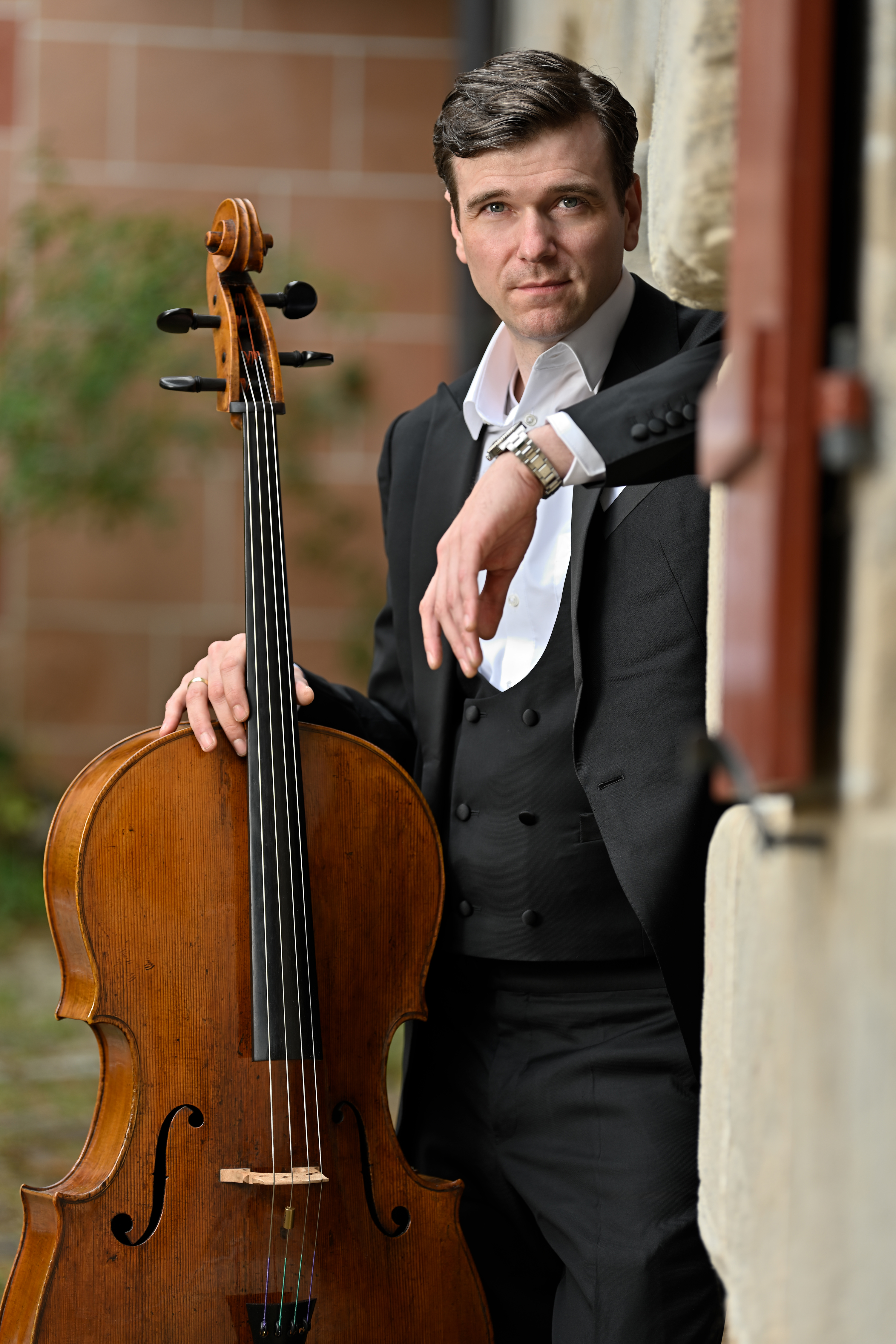
Within Trio Valéry, Johannes Raab performs on the “Shan-Shui” violoncello by Matteo Goffriller (Venice, 1714), as well as a Giovanni Grancino (Milan, 1695), using a gold-mounted violoncello bow by Dominique Peccatte (Paris, 1860) from the collection of the legendary cellist Hugo Becker.
Our Philosophy
Trio Valéry. On Deciphering a Musical Score
Every composer translates musical ideas into a system of signs. The resulting score is an attempt to preserve something inherently ephemeral. It is not the music itself, but rather its cipher: a highly sophisticated language of musical encoding, refined over centuries and continuously reshaped with every stylistic era.
The score endures through time. The music itself does not. It must come into being anew each time, in the very moment when the musical ideas encoded within the score are translated back into living reality.
This is the task of the interpreter. It consists in bringing to life the musical idea preserved within the score. For Trio Valéry, it is precisely in this act that the musician fulfils himself—not by placing his own personality above the work, but by placing his instrumental mastery, sonic imagination, stylistic judgement and musical insight at the service of revealing, as completely as possible, the essential idea of a work.
From this perspective, serving the work is not the opposite of artistic self-realisation, but its truest form. The aim of interpretation is neither personal self-expression nor the desire to impose originality upon a composition. Its centre lies elsewhere: in the search for the musical meaning inscribed within the score, and in discovering how that meaning may assume its most convincing form through the means available to the interpreter.
It is precisely in this attitude that Trio Valéry recognises the highest form of artistic fulfilment: the work finds its voice through the interpreter, while the interpreter fulfils himself by lending his own voice to the work.
Interpretation also—and above all—demands profound humility before the musical thought entrusted to the performer. Since the full depth of a work can never be exhausted, no interpretation can ever be considered complete. Every performance remains the present stage of an ongoing approach: open to new insights, new relationships and endlessly renewed possibilities of listening.
It is from this understanding that the ensemble takes its name: Trio Valéry.
Paul Valéry famously described every work of art as something that is never truly completed, but eventually relinquished: « Un poème n’est jamais achevé, seulement abandonné. »
A work is not abandoned because nothing remains to be added, but because every creative process eventually reaches a point at which further work no longer leads to greater certainty, but merely to new possibilities.
For Trio Valéry, this idea defines not only the creative act itself, but musical interpretation as well. Every performance represents the present stage of a continuing approach to the musical thought embodied within a work. No interpretation can claim finality. Each remains the provisional stage of a search whose destination can never be fully reached, even as its direction becomes clearer with every serious engagement.
It is precisely from this awareness that the freedom sought by Trio Valéry emerges. It is not the freedom from the score, but the freedom found within it. The more deeply the essence of a work reveals itself, the greater the space in which interpretation may become alive, spontaneous and profoundly personal.
This philosophy also shapes the ensemble’s rehearsal process. Every serious engagement with a score reveals multiple, equally convincing possibilities of hearing, shaping and understanding the music. These possibilities are not defended against one another through discussion, but explored in performance, refined, developed further or ultimately set aside. Decisions do not arise from the desire to reach a definitive solution, but from the conviction that every interpretation represents merely another stage in an ongoing journey towards a deeper understanding of the work. It is precisely for this reason that the ensemble’s rehearsals are characterised by openness, curiosity and mutual trust.
From this perspective, interpretation is not a matter of choosing between right and wrong, but of discovering ever finer distinctions within a clearly defined musical idea. Every performance marks a new stage of this process of discovery, allowing sound, expression and form to reveal themselves in ever-changing relationships.
For Trio Valéry, form is not limitation but coherence. It is the invisible architecture that sustains a work from within and gives direction to its dramatic and expressive trajectory. From this inner order arise expressive power, poetry, tonal colour and that sense of inevitability which allows truly great interpretations to resonate far beyond the final note.
For this reason, sound never possesses a merely aesthetic function. Sound is meaning. Every colour, every shift of weight, every change of timbre and every consciously shaped connection between tones transforms the expressive content of a musical idea. Tone is therefore not an end in itself, but the language through which interpretation speaks. A refined sound culture does not pursue beauty for its own sake, but seeks to make musical meaning audible in all its finest nuances.
It is in the sound of the ensemble that this understanding of interpretation finds its most immediate expression.
This artistic ideal is realised by three internationally acclaimed soloists whose concert careers have taken them to leading concert halls throughout Europe, Asia and the Americas. Despite their diverse musical backgrounds, they are united by a common conviction: great chamber music arises where individuality is not surrendered, but placed in the service of a shared artistic idea.
The French pianist Ingmar Lazar is among the most distinguished musicians of his generation. His playing unites exceptional technical command with rare poetic imagination and a profound understanding of musical architecture. Wherever the piano carries the large-scale structural framework of the trio repertoire, he combines architectural clarity with the finest tonal refinement, creating a space in which the string players enjoy the greatest artistic freedom. His internationally acclaimed recordings, performances on many of the world’s foremost stages, and his work as founder and artistic director of two French music festivals all reflect the same artistic conviction: virtuosity is never an end in itself, but the expression of a musical idea.
German violinist Christoph Seybold brings to the ensemble a musical personality of remarkable strength and spontaneity. His tone culture combines decisiveness with extraordinary richness of colour, while his playing unites spontaneity with artistic courage, lending every performance that sense of immediacy which can arise only in the present moment. At the heart of his artistry lies the constant search for a sound that reconciles expressive intensity with naturalness. Regular recordings complement his concert activity. His recent recording of the Bach Sonatas exemplifies the combination of stylistic clarity, tonal richness and spontaneous musicianship that characterises his artistic voice.
Cellist Johannes Raab approaches sound as a creative process in which every musical situation demands its own individual tonal response. His sound aesthetic, repeatedly praised by critics, combines the highest technical precision with exceptional sensitivity to tonal connection, colour and musical proportion. Bernard Greenhouse described his sound as “the kind of sound every cellist should strive for,” while Professor Daniel Graf has highlighted the rare combination of technical mastery, musical intelligence and instinct that defines his playing. With a solo recording devoted to the Baroque repertoire, scheduled for release in 2027, Johannes Raab continues his long-standing engagement with historically informed performance practice. The recording will also introduce him to audiences for the first time as a composer.
This shared pursuit of the greatest possible tonal refinement is supported by instruments that have stood among the highest achievements of European lutherie for centuries. As a long-standing Steinway Artist, Ingmar Lazar’s artistic work is inseparably linked to the concert grand that has shaped the international concert ideal for generations. Christoph Seybold performs on an Antonio Stradivari and a violin by Niccolò Gagliano, while Johannes Raab plays the “Shan-Shui” violoncello by Matteo Goffriller (1714) alongside a Giovanni Grancino, crafted in Milan in 1695. Though differing in origin and character, these instruments share an extraordinary richness of colour, complexity and flexibility. In the hands of exceptional musicians, they become instruments of a refined sound culture, capable of the most subtle gradations of character, tension, poetry and expression, allowing the musical idea to unfold in its fullest depth.
It is precisely in the meeting of three distinct musical personalities that Trio Valéry finds its artistic identity. Three soloists come together not to relinquish their individuality, but to transform it into a common musical language. From pianistic architecture and refinement, violinistic expressivity and cello sound culture emerges an ensemble whose goal is not the greatest possible homogeneity, but the greatest possible truthfulness. The essence of its music-making lies not in uniformity, but in the living equilibrium of three independent artistic voices.
It is here that chamber music assumes its deepest significance for Trio Valéry. For all three musicians, it is not the counterpart to their solo careers, but their most concentrated artistic form. It demands the highest degree of individual responsibility while requiring each musician to place his own musical thinking at the service of a greater whole. Chamber music thus becomes the art form in which freedom, form, sound and responsibility converge most completely.
The artistic home of Trio Valéry lies in the great repertoire of the Viennese Classical tradition, German Romanticism and the French fin de siècle. Within these works, formal architecture, poetic expression and tonal differentiation are united in a way that closely reflects the ensemble’s artistic ideals. Trio Valéry does not pursue a fixed sound ideal. Every work calls for its own language, its own palette of colours and its own inner equilibrium. Sound arises not from the pursuit of a recognisable “beautiful tone”, but from the willingness to discover the unique sound world inherent in each individual work.
Herein lies the true sound ideal of Trio Valéry: not a recognisable ensemble sound, but the ability to reveal each work through its own language, its own tonal palette and its own inner balance.
Trio Valéry recognises its artistic calling in the central paradox of musical interpretation: the musician fulfils himself most completely precisely where he no longer seeks to express himself. By placing his entire personality, individuality and artistic craftsmanship at the service of a musical idea, he discovers a freedom that does not lead away from the work, but ever deeper into it.
It is here that Trio Valéry finds musical truthfulness, authenticity and the never-ending search for the musical thought concealed within every score.